
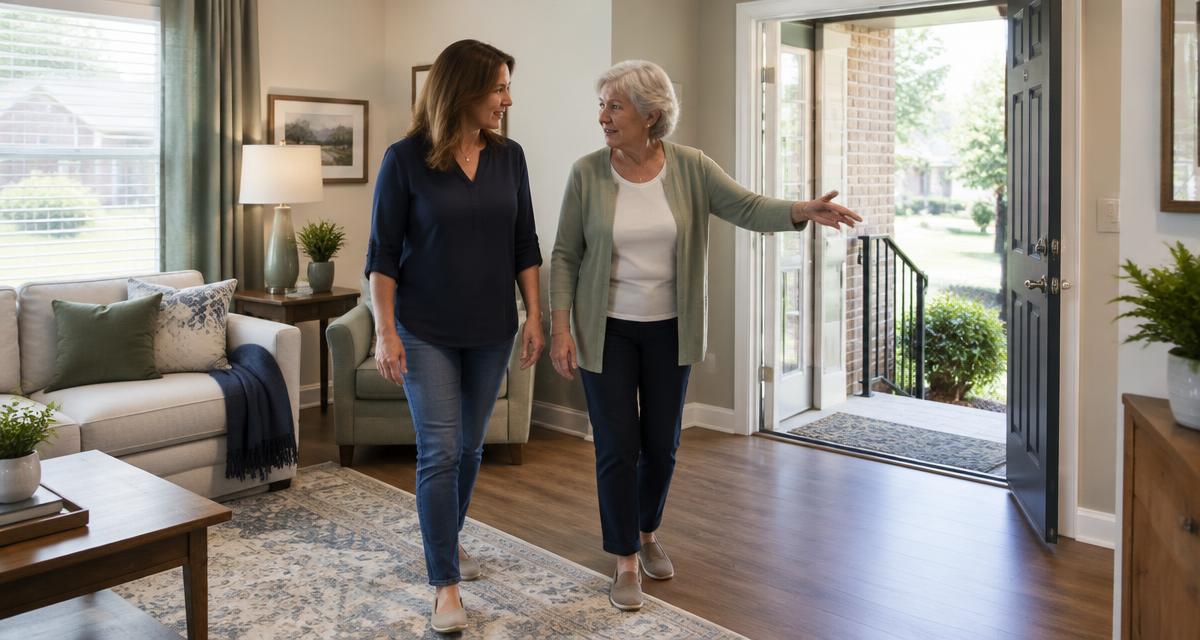
We senior-proof homes. Just like you would baby-proof a house for a new baby, senior-proofing looks at how a home can become easier and safer to live in as someone ages. The person is different, so the changes are different. This is about working with an older adult, not treating them like a child.
For you, that may mean a clearer path through the living room or a bathroom light you can reach at night. For an adult child, it may mean helping a parent turn a list of postponed home safety changes into a plan. Start with the person's own routine and choices.
This guide speaks to older adults and families in Houston and nearby communities such as Katy, Sugar Land, Cypress, Pearland, Kingwood, Humble and Friendswood. It covers the non-medical home environment. It does not promise that a person will avoid falls or replace advice from the healthcare or therapy team.
Senior-Proofing Starts With Your Day
Walk through an ordinary day on paper. Where do you enter the house? Where do you sit, sleep, cook and use the bathroom? Which trips happen after dark? Ask what feels awkward, not whether the whole home passes or fails. A useful plan starts with specific places.
If you are helping a parent, ask permission before moving things. Their favorite chair and familiar routines matter. You can explain an obstacle and offer choices without taking over. There is no need to test a difficult movement to prove that a change is worth discussing.
Check the Entry, Hallways and Stairs
Begin where you come in from the car or sidewalk. Look at steps, thresholds, lighting and the space needed to open the door. A home with an attached garage may have a different entry challenge than one with a front porch. Check the entrance you actually use.
- Move boxes, shoes and cords away from walking routes.
- Look for loose rugs and uneven floor transitions.
- Check whether existing handrails are secure.
- Check lighting at stair edges, doors and hallways.
- Keep the route clear when deliveries or visitors arrive.
Loose rails and difficult steps need qualified review. Do not build a makeshift ramp or choose a new stair routine without appropriate advice. If you use a mobility aid, follow your care team's instructions and ask about the space it needs.
Make the Bathroom Easier to Use
Look at the doorway, the path to the toilet and the tub or shower entry. Remove clutter from turning areas. Check mats for slipping and curled edges, and keep wet floors dry. Place soap, towels and toilet paper where they are easy to reach.
Grab bars may be appropriate near the toilet or bathing area. They need an appropriate location and proper support, not just screws through tile. A qualified installer should follow the product's mounting instructions. A towel bar is not a substitute. Ask the therapy team about bathing equipment and individual transfer needs.
Check the Bedroom and Nighttime Route
The bedroom should be considered with the hallway and bathroom, not on its own. Look at the path around the bed and through the door. Keep a working light and phone within convenient reach. Route charging cords away from the floor where you walk.
Check the route at night using the lights you normally rely on. A daytime walkthrough can miss shadows near the doorway. Suitable night lighting may make edges easier to see. If getting out of bed has changed, ask the care team for advice rather than changing bed height or adding supports on your own.
Review the Kitchen and Living Room
In the kitchen, bring commonly used dishes and supplies within comfortable reach. Avoid making a step stool part of the daily routine. Keep the floor clear and dry, and make sure cabinet doors or drawers do not stay open across a walking path. Do not move heavy items alone.
In the living room, check the route around chairs and tables. A clear room does not have to be an empty room. Move what narrows the main path and keep the seating the homeowner prefers when possible. Make lamp switches easy to reach without cords crossing the route.
If sitting, standing or reaching has become difficult, share that with the healthcare or therapy team. A home checklist can identify an awkward arrangement. It cannot decide what someone can physically do or which medical support they need.
When Is a Good Time to Start?
You do not have to wait for a crisis. Start when you notice a small change: the house feels harder to keep up, a bathroom step feels less steady or the same home task keeps getting put off. A planned visit from family can also be a simple time to walk the main routes together.
A hospital stay is another reason to review the home. The person may return with new equipment or temporary movement limits. Ask the care team for instructions before rearranging rooms around assumptions. The house can be familiar while the daily routine has changed.
If your children live far away, you can choose what information you want shared. An agreed written home update can make the conversation about specific tasks rather than repeated general questions. Your preferences belong in the plan.
What Can You Do Yourself, and When Should You Get Help?
Simple changes can start with agreement and a short list. Clear a walkway, move a reachable lamp, put towels on a lower shelf and remove loose rugs from a main route. Check the change in normal use. Do not create another obstacle by moving clutter into the next room's doorway.
Get qualified help for grab bars, railings, electrical work or changes to doors, floors and steps. A bar has to be supported correctly. A wider opening may involve more than removing trim. Ask who will do the work, what is included and what needs approval before it begins.
Medical questions are a separate part of the plan. New dizziness, balance changes, activity limits and equipment choices belong with a clinician. Home changes work alongside that advice. They do not replace treatment, therapy or personal care.
How Handled's Four Services Relate
Home Readiness Assessment
Start here when you want to understand the home before choosing changes. The assessment reviews the non-medical environment and gives you a written plan with priorities. It helps turn observations about rooms and routes into specific next steps.
Home Safety Installations
This service addresses approved home safety changes, such as properly supported grab bars and other agreed updates. The work follows the home plan and appropriate installation requirements. Handled is a home safety company, not a general handyman service.
Safe Return Home Program™
This program focuses on the home around a hospital discharge. It includes non-medical home preparation, follow-up visits and communication about the home. Medical instructions and decisions remain with the care team. Share discharge timing early so the team can discuss availability.
Home Oversight
Home Oversight provides scheduled specialist visits, home observations and family updates. Urgent home support belongs within this service; it is not emergency medical response. Discuss the scope and communication plan so the homeowner and family know what is covered.
Make One Clear Next-Step List
Write down the room, the concern, the proposed next step and who will follow up. Separate household tasks, installation work and care-team questions. Revisit the list when routines or needs change. You do not have to change the whole home at once.
Handled serves Houston and surrounding communities. If you are asking about a nearby address, share it so the team can confirm service availability. A free initial call is a chance to discuss the home and the kind of support you are considering, without deciding on a program first.
Frequently Asked Questions
What does senior-proofing a home mean?
Senior-proofing means reviewing and changing the home to make daily tasks easier and address fall hazards as someone ages. Like baby-proofing, it starts with how the person uses the space. It may include clearer paths, better lighting, properly installed supports and ongoing home checks. It is not a guarantee against falls.
When should we start senior-proofing?
Start when a familiar task becomes harder, when you notice a home obstacle or before a planned hospital return. You do not need to wait for a crisis. After a hospital stay, use the care team's mobility and equipment instructions to guide the home setup.
What can families do without an installer?
With the homeowner's agreement, families can clear clutter and cords, move frequently used items within reach, check existing lighting and remove loose rugs from walking paths. Grab bars, railings, electrical work and structural changes need appropriate professional help.
Is Handled a medical or personal care service?
No. Handled provides non-medical Home Readiness Assessments, Home Safety Installations, the Safe Return Home Program™ and Home Oversight. It does not replace nursing, therapy, medical advice or hands-on personal care. Clinical questions belong with the care team.
Further Reading
Talk Through Your Home's Next Step
Book a free home safety call with Handled Home Solutions to discuss your home or your parent's home. We can talk through what you have noticed and which next step to consider. You keep your choices, and your care team remains the place for medical questions.
Book a free home safety callFree Resource
Get the Discharge-Day Home Checklist
A room-by-room, non-medical checklist for the days before your parent comes home. We'll email it to you and you can download it right away.
Handled is a non-medical service. Follow your care team's instructions for anything clinical.
